Now that you have been working on your fan journey and your story, how are you going to share this story with your audience? It's time to create excellent content to share your story with impact in every phase of the fan journey. That is precisely what we will talk about in this chapter of the marketing course.
What Do You Need for a Solid Content Plan?
We divide marketing/content services into five elements.
1. Content Team
First, you need a content team. Think about what skills your team needs. To begin with, you need content creators. Someone who takes care of photos, creates videos, makes visual designs or edits, and creates the copy. But you would also need someone who takes care of some project management to ensure everything will be done on time and aligned.
To take your marketing to the next level, you need someone skilled in content strategy. Storytelling and analyzing the fan's needs and behaviors to match this with the desired content. You might have some of these skills yourself, but you can quickly add some freelancers or friends to your team, or find another specialized agency.
2. Content Style
It would help if you also had a content style or a brand guide. This indicates your style guide: which logos, colors, pictures, visuals, and tone of voice will be used. What is your brand's style, and how will you be recognized among all those other artists around these.
3. Content Themes
The third element is content themes. Well, themes are different parts of the bigger story you're telling. Probably your basic themes about your products. For example, a new release or a show. You can easily add the theme 'news' to that. For example, your release has been picked up by a relevant artist or playlist or reached several streams. Or you start a collaboration with an artist.
To take the product theme to the next level, you can create stories around your product. For example, the whole journey of building your new track, the story behind it, whom you worked with, etc.
Another theme is personal life. You can share stories about your personal life, inspirations, family, spare time, etc. With the theme 'fan experience', you can share all kinds of stories with your fans, which is interesting to other fans. With a social theme, you can inspire fans to support your bigger purpose, such as sustainability, kids' education, climate change, etc.
Of course, there are many other themes you can think of. Pick a few that are most relevant for your audience and get the most out of them, although start doing one theme at a time before you add a new one because you need to establish each theme more profoundly.
4. Content Formats
After selecting your themes, it's time to decide which content formats you will use, such as photos, videos, text, and audio. This would be the fourth element.
5. Content Development Process
Last but not least, you need to have a content development process in place, which is the fifth element. This process describes how the content needs to be planned, prepared, finalized, and approved. But also how it fits within the fan journey and why it is relevant for your audience. It also should be clear to every one of the team what the planning and goals are. Who is involved, how this process works, and how much time this consumes. To accomplish this, you need to include content development planning. This covers the creation part of the content, not yet the distribution.
Putting It All Together
To sum up these five elements. Let's say you're releasing a new track in three months. To organize the content, you need a timeline with pivotal moments. For example: include creating the track, the studio recordings, brainstorming about the track name, creating the artwork, maybe a video shoot, and release date.
Instead of just focusing on the release date and the promotion of your new track, think of all the excellent content you can create during these critical moments. For example, the preparations of the studio recordings, some live footage, involving fans during a track name process brainstorming, creating the artwork and the video, like the story of the video, behind the scenes, etc.
So instead of just telling the audience, 'hey guys, my new track is out now; listen to it here and watch the video there.' Focus on all your key moments, which you can share with your audience, and even involve your fans during the journey because this will make a big difference.
Next, you put the team in place. Who and what is needed to create the content. Of course, all are aligned with the content style guide. Then you make the content development process and the planning of this. Before writing down your content plan, let's look at some real examples.
Content Theme Examples
Release
Let's take Hardwell as an example of what a release content plan would look like. He uses all sorts of formats to share and promote his new releases. For example, the visual with the artwork, a personal photo regarding the release, and the music video were some snippets he shared on social. He gave a special Q&A for his fans during the music video release. Besides, that Hardwell had a personal video announcement in which he told his fans that new music was coming. He launched his WhatsApp channel, where fans could ask questions and chat. The release was also included in his radio show 'Hardwell on Air,' and an email with text was sent to his fans. On his website, there's an article about the release.
Another way to release your new track is through a podcast. The artist Dissect created a serialized music podcast for his latest release and used this as part of the release plan where his fans can hear all the insights about the upcoming track. The fun thing is that they also became very curious to listen to the tracks knowing all the background information about it.
Many DJs also share animation videos like Martin Garrix or Hardwell or something completely different, like a video of a dance crew who dances exceptionally well to your new music.
Show
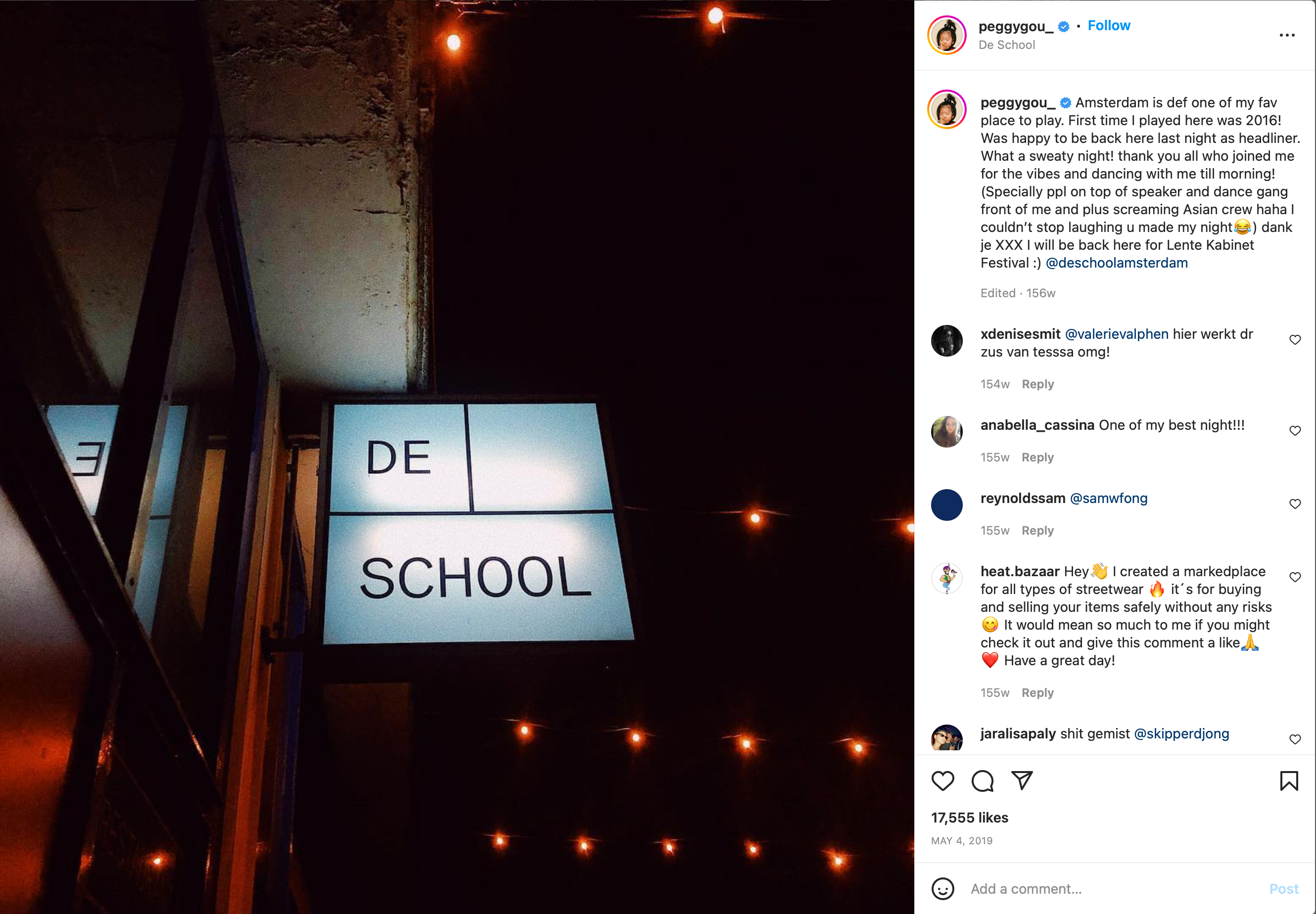
This is another content theme. You can share photos and videos all around your shows. Or an after movie of your show experience or a couple of pictures of your fans with an inspiring text. Or your experience with a textual story and photo after your show. You can share content from off the stage, like your crew dancing before your performance in the backstage area. Or a nice visual or video of you traveling before or after a show.
Fan
Another content theme is all about your fan. You can share a visual with a text that your friend wrote for you or a video of an emotional fan who receives a letter from you. Or a funny video of someone who is dancing on your track. Humor is a great way to share content and engage with your fans.
Social
A content theme that we don't often see, but it's essential is all around your bigger purpose and supporting a group or goal. Like Hardwell is supporting the education of young children in India.
Personal
This is the final theme example we will live for today. This could be everything besides your music. For example, a video of you and your family or personal announcements regarding your personal life, or something like a photo with your team.
Remember
Start with one theme at a time. Establish it deeply before adding new themes. Focus on creating content around all your key moments, not just the final release. Involve your fans in the journey—this makes a big difference in engagement and loyalty.